


Why the Military Is Becoming a Popular Post-Secondary Choice
Military Rise
It’s a familiar scene in high schools every spring. Graduation is close, and a teacher makes their way around the classroom asking seniors the same question: What’s your plan after high school?
Some students answer confidently medical school, law school, straight into a job. Others hesitate. A few shrug.
Then one student finally speaks up.
“I don’t want to go to college. I’m tired of school that’s all I’ve ever known. I don’t want to jump straight into work because that feels unfulfilling. I honestly don’t know what to do. I’ve been thinking about the military.”
That uncertainty is not unique to one classroom. Across the country, teenagers are weighing what often feels like only three realistic options: college, the workforce, or the military.
And today, that decision feels heavier than ever.
With the cost of living rising, layoffs making headlines, and even college graduates struggling to make ends meet, the traditional path forward no longer feels guaranteed. Students watch adults with degrees work multiple jobs just to stay afloat. For many, college no longer promises stability it promises debt.
The workforce, meanwhile, doesn’t look much better. Low starting wages, unpredictable schedules, and harsh working conditions turn students away before they even begin. When college feels risky and work feels exhausting, the military starts to stand out as the remaining option.
For decades, that option carried stigma, especially in rural communities. Military service was often viewed as a last resort rather than a first choice. According to USAFacts.org, military enrollment declined for 40 years and reached a low point in 2022. Like many institutions, the armed forces were still recovering from the disruptions caused by the COVID-19 pandemic.
But something has shifted.
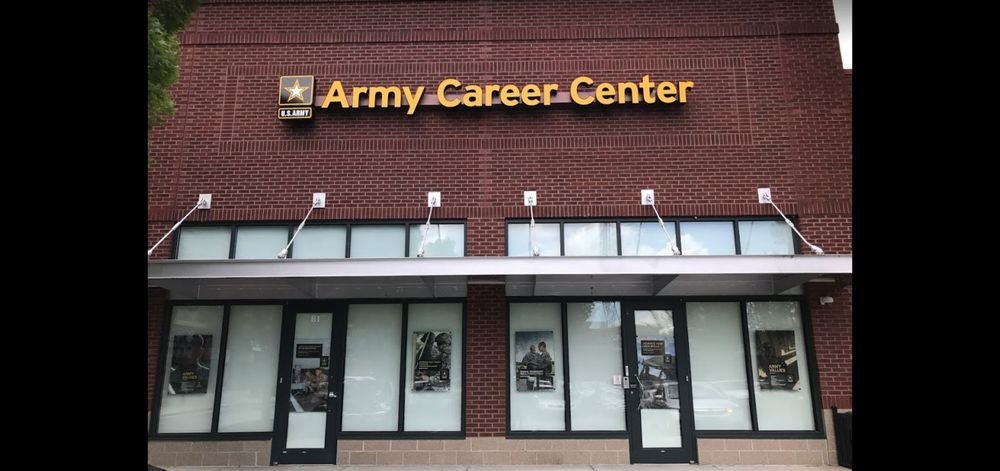
As inflation surged and wages stagnated across much of the job market, the military took a different approach. Congress approved multiple pay increases—4.6% in 2023, 5.2% in 2024, and 4.5% in 2025 along with an additional 10.5% boost for junior enlistees starting in April 2025. At the same time, recruitment strategies evolved. More recruiters were hired, and messaging shifted to better connect with younger audiences facing economic uncertainty.
The results were noticeable.
According to Pentagon News, Chief Pentagon spokesman Sean Parnell reported that since November 2024, the military has achieved its highest recruiting success rate in more than 15 years. Department leaders cited multiple reasons for the increase, including stronger leadership and renewed focus on service members. “We have a commander in chief and a secretary of war who are focused on our troops and our mission,” said Undersecretary of War for Personnel and Readiness Anthony J. Tata during a recent speech.
The military isn’t replacing college as the most common post-secondary path, but it no longer sits on the margins. For students who don’t want more classrooms and don’t see a future in low wage work, military service now feels like a practical alternative.
Many young people enlist without a long-term plan. Some see it as a way out. Others see it as a chance to gain structure, benefits, and direction in a world that feels increasingly unstable.
In theory, today’s teenagers have endless possibilities. In reality, sitting in a classroom as a senior, the future often narrows to just three choices, because those are the only paths they’ve been taught to see.
And for a growing number of them, the military is no longer the last option. It’s the one that finally makes sense.


I contemplated military during my college time in fear that college wasn’t working out in my favor and wanted to be apart of something that may seem “successful “
I understand that because I feel many kids contemplate that same decision also, that’s why we wanted to bring awareness to what’s going on in our teens and young adults mind