



Black History Is American History
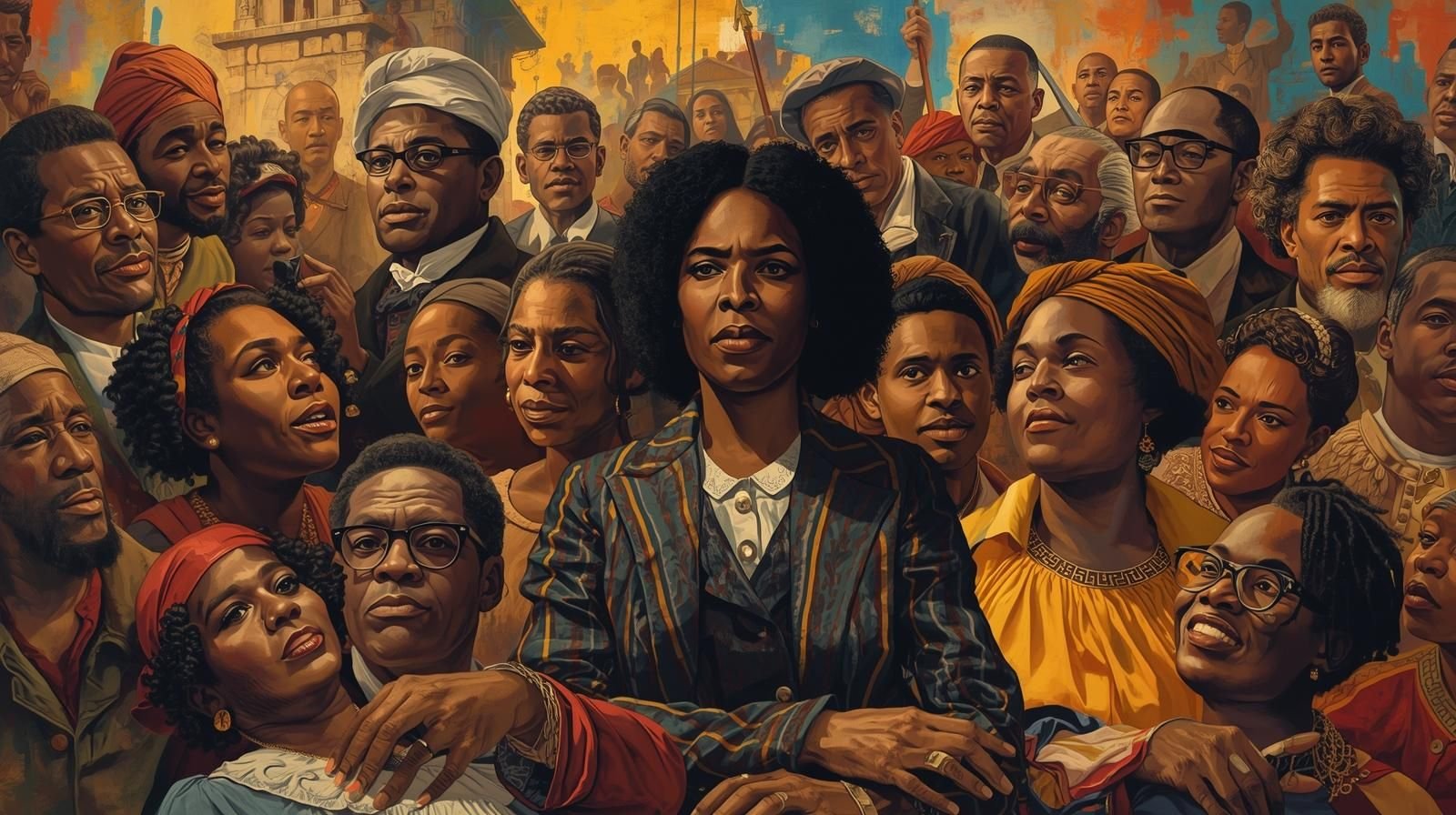
Black history does not fit neatly into a single month on the calendar. It lives in the heartbeat of America in the hands that built its cities, in the voices that carried songs of pain and hope, and in the courage that demanded freedom when freedom was denied. To celebrate Black history for only one-month risks overlooking how deeply it shapes who we are every day.
Black history is American history. Honoring it daily means recognizing the strength, resilience, and humanity that continue to move this nation forward.
Black history should be woven into everyday learning in every school and university, not treated as a seasonal topic. Yet across the country, debates over curriculum continue to shape what students are allowed to learn.
Since January 2021, 44 states have introduced bills and at least 18 have passed laws restricting or banning the teaching of what is labeled critical race theory. Only 12 states Arkansas, Colorado, Delaware, Florida, Illinois, Mississippi, New Jersey, New York, Rhode Island, South Carolina, Tennessee, and Washington have Black history mandates for K–12 public schools, according to reporting by Sierra Lyons of The 74.
Even within those states, newer laws limiting certain books and classroom topics can narrow what is taught. When lessons about systemic inequality and historical power structures are removed, important parts of history risk being overlooked. As education scholar LaGarrett King has argued, restricting discussions of systemic racism can undermine the accurate teaching of Black history itself.
When Black history is compressed into the shortest month of the year, many important figures and achievements receive little or no attention.
Dr. Rebecca Lee Crumpler, for example, became the first Black woman physician in 1864 and dedicated her career to serving formerly enslaved people and poor women. Her contributions to medicine and public health are rarely highlighted in standard textbooks.
Robert Smalls, born into slavery, seized freedom in a daring Civil War escape. In 1862, he took control of the Confederate transport ship CSS Planter in Charleston Harbor and delivered it to the Union Navy, freeing himself, his family, and others aboard. He later became the first Black captain in U.S. naval service and went on to serve in the U.S. House of Representatives, where he advocated for civil rights and public education.
Inventor Garrett Morgan’s work also reaches into everyday life. He created an early safety hood that helped protect emergency responders from smoke and toxic air. He later developed an improved traffic signal system that introduced the warning light what we now recognize as the yellow light. His innovations helped shape modern public safety and transportation.
These stories are not side notes they are central chapters.
Black history is not only American history; it is world history. Its influence stretches across science, literature, art, education, mathematics, and culture worldwide. The global impact of Black thinkers, creators, and leaders continues to shape how societies grow and innovate.
Historian Dr. Carter G. Woodson established Negro History Week in 1926 to encourage the study of Black achievements. In 1976, the observance expanded into Black History Month through a presidential proclamation. That recognition was an important step, but it was never meant to be the finish line.
At some point, history cannot remain divided into separate compartments. Black history represents perseverance, creativity, solidarity, and innovation. It tells a story of endurance and hope through hardship and exclusion. Even in difficult times, it reflects a consistent drive toward progress and possibility.
Black history is not a sidebar. It is not an add-on. It is part of the full story, and it deserves to be taught, studied, and honored all year long.
Amazing read !
Thank you for reading!