

True Image Of The Black Man
To be a Black man in America is often to walk through the world carrying more than a wallet and a phone. It can mean carrying history, expectation, perception, and pressure all before the day even begins.
From classrooms to corporate boardrooms, from traffic stops to televised debates, Black men frequently navigate environments shaped by stereotypes and scrutiny. They are told to be strong but not angry, ambitious but not threatening, confident but not “too much.” The margins can feel narrow. The judgment can feel swift. And the burden of representation, of being seen as a reflection of an entire community, can feel heavy.
Negative perceptions have long shaped how Black men are viewed, often before they speak. Assumptions about intelligence, temperament, and intent can influence everything from hiring decisions to classroom discipline. In many spaces, Black men must prove competence twice over while battling narratives that question their humanity.
There is also the quiet pressure of responsibility. Many Black men grow up hearing the unspoken message that they must succeed not just for themselves, but for their families, their communities, and their ancestors. Excellence becomes both aspiration and armor.
When Barack Obama stepped into the Oval Office as the first Black President of the United States, he carried the weight of centuries. His presidency was more than policy, it was symbolism. For many, his presence disrupted long held assumptions about who could lead the free world. Even as he governed, he faced caricatures and criticisms often rooted in racial undertones. Despite that, he modeled composure under pressure, intellectual rigor, and steady leadership. His ascent was not simply personal achievement, it was a redefinition of possibility.
Long before Obama, Thurgood Marshall stood before the nation’s highest court arguing that segregation had no place in American education. As the lead attorney in Brown v. Board of Education and later the first Black United States Supreme Court Justice, Marshall dismantled legal barriers designed to keep Black Americans second class citizens.
Today, civil rights attorney Ben Crump continues that legacy, representing families seeking justice in cases of racial injustice. In the halls of Congress, Raphael Warnock, a pastor turned United States Senator, brings the language of faith and justice into legislative spaces once closed to men who looked like him. Each of these men demonstrates how persistence and purpose can pierce even the most fortified institutions.
Centuries earlier, Frederick Douglass rose from enslavement to become one of the most powerful orators and writers of the nineteenth century. At a time when laws forbade enslaved people from learning to read, Douglass taught himself. He transformed literacy into liberation, using his voice to expose the brutality of slavery and demand equality.
In science and innovation, George Washington Carver revolutionized agriculture through his research on crop rotation and sustainable farming. Born into slavery, Carver became a leading agricultural scientist, proving that brilliance flourishes even when opportunity is scarce.
When Jackie Robinson broke Major League Baseball’s color barrier in 1947 with the Brooklyn Dodgers, the world saw an athlete performing with grace under extraordinary pressure. He endured relentless racism, taunts from opposing teams, threats from fans, and isolation in hotels and clubhouses. He was chosen not only for his talent but for his strength of character, because he agreed not to retaliate against abuse. His restraint was strategic resistance.
Off the field, Robinson became an outspoken advocate for civil rights. He wrote newspaper columns addressing racial inequality, supported the NAACP, raised funds for the movement, and publicly challenged discrimination in housing and business. He met with presidents, marched for justice, and used his platform to demand dignity not only for himself but for generations to come.
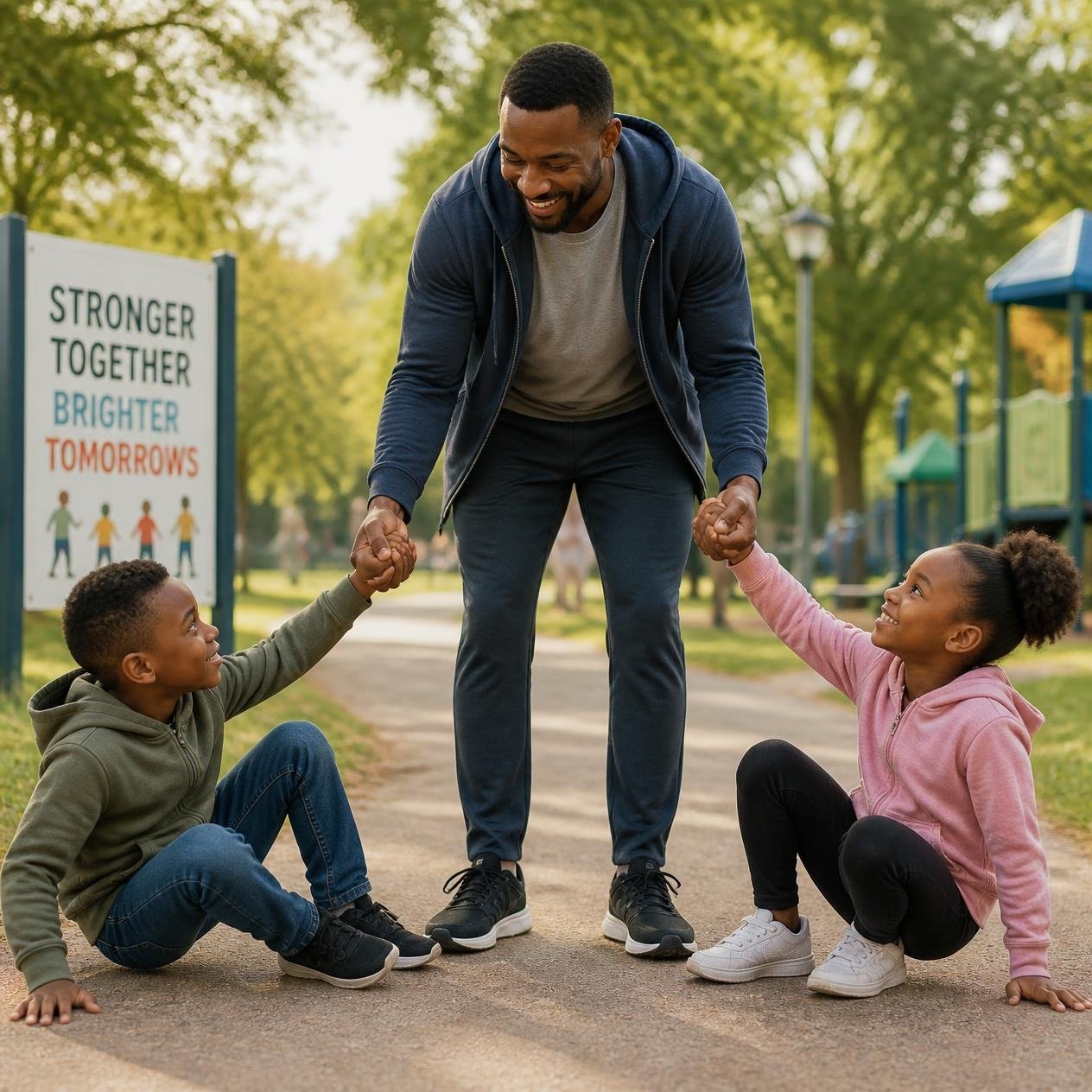
For every famous name, there are millions of Black men rising quietly. Fathers mentoring their children through a world that may misjudge them, entrepreneurs building businesses without generational wealth, students navigating institutions not built with them in mind.
Their endurance is not passive. It is active resilience. It is choosing integrity when stereotypes expect failure. It is pursuing excellence when doubt is loud. It is loving their families fiercely in a society that too often questions their worth.
The story of Black men in America is not defined by stigma. It is defined by strength, innovation, faith, leadership, and an unrelenting belief in something better. Despite the pressure. Despite the barriers. Despite the perception. They rise.