
Covid 19 in 2026?
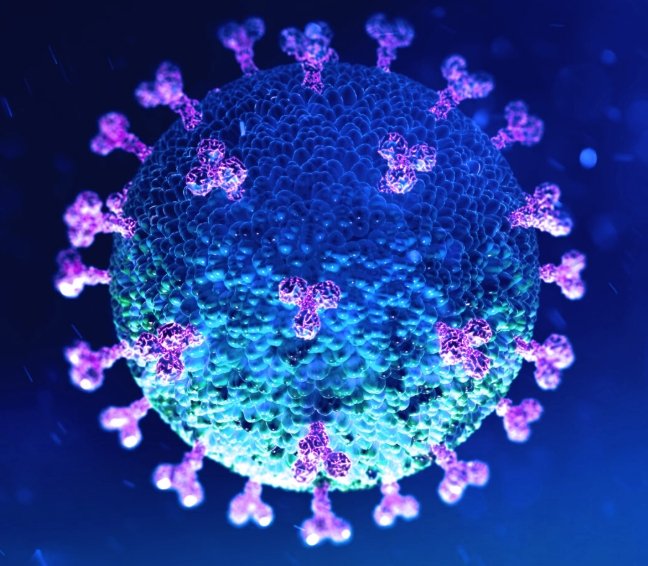
Even those who never contracted COVID-19 have felt its effects. The virus first appeared in December 2019 in Wuhan, China, and was declared a pandemic in March 2020. While COVID-19 primarily affects the respiratory system, its impact reaches far beyond health, profoundly shaping the United States’ healthcare system, education, and economy.
The workforce was among the first to feel the disruption. To slow the spread of the virus, many employees shifted to remote work or temporarily stopped working altogether. Meanwhile, healthcare workers were on the front lines, facing overwhelming demand. The toll was immense: increased stress, burnout, infection risk, grief, and emotional strain became part of daily life. Today, in January 2026, the healthcare system is still feeling the consequences. Projections suggest that by 2030, the nation will face tens of thousands of physician and nursing shortages, particularly in rural areas. Such shortages do more than disrupt employment—they directly affect patient care, leading to longer wait times and greater risk of medical errors.
Education was also dramatically disrupted. When schools closed, many shifted entirely to remote learning, while others adopted hybrid models. No one knew how this sudden change would affect students’ academic progress. Historically, since 1996, 8th graders’ math scores had been improving steadily. However, the pandemic interrupted this trend. According to the Trends in International Mathematics and Science Study (TIMSS), between 2019 and 2023, the average math score for 4th graders dropped by 18 points, and 8th graders’ scores fell by 27 points. High-performing students showed some resilience, but low-performing students experienced the largest declines, widening the gap between students.
The economic impact was equally severe. The spring of 2020 became known as the “business death” period, with nearly 1.2 million jobs lost in the second quarter alone. Yelp reported that 163,735 businesses closed, 97,966 permanently. Although new businesses emerged, the scale could not match the losses, contributing to a spike in unemployment. Large companies downsized to survive, and many smaller businesses continue to struggle or have closed entirely. Even today, shuttered storefronts remain a visible reminder of the pandemic’s toll.
COVID-19’s impact is far from over. Six years after the pandemic began, its effects are still being felt in healthcare, education, and the economy. While the path forward remains uncertain, the lesson is clear: we must continue to adapt, rebuild, and hope for a stronger, more resilient future.
Written by Ambrosha Austin 2026, editorial writing
Covid 19 struck when I was in the 8th grade it was actually crazzy experience I never had Covid no but I was less focus on virtual classes the pandemic isolated me from friends and my sister she graduated in 2020 she didn’t get a chance to walk the stage and I think that’s what school is all about but I’ll say before Covid the world felt more secure or more friendly to others after Covid it felt like some felt social interactions wasn’t the same
High school students don’t know how to read and write on grade level. They don’t know their multiplication table. It’s really bad.
I was a student when COVID-19 hit and I experienced the effects firsthand. I think is great that you want to recognize students to encourage academic growth.