

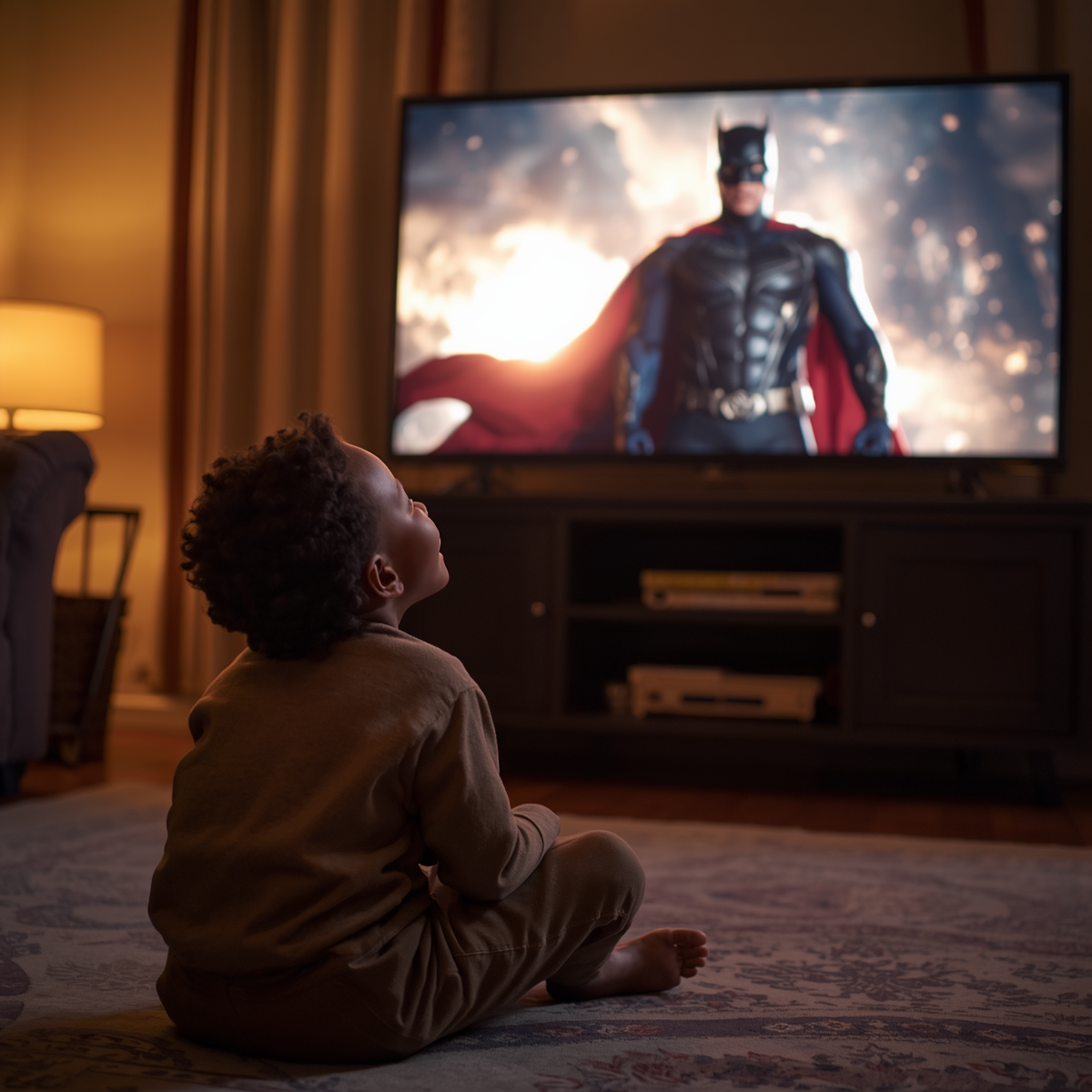
The Children We Cannot Afford to Leave Behind
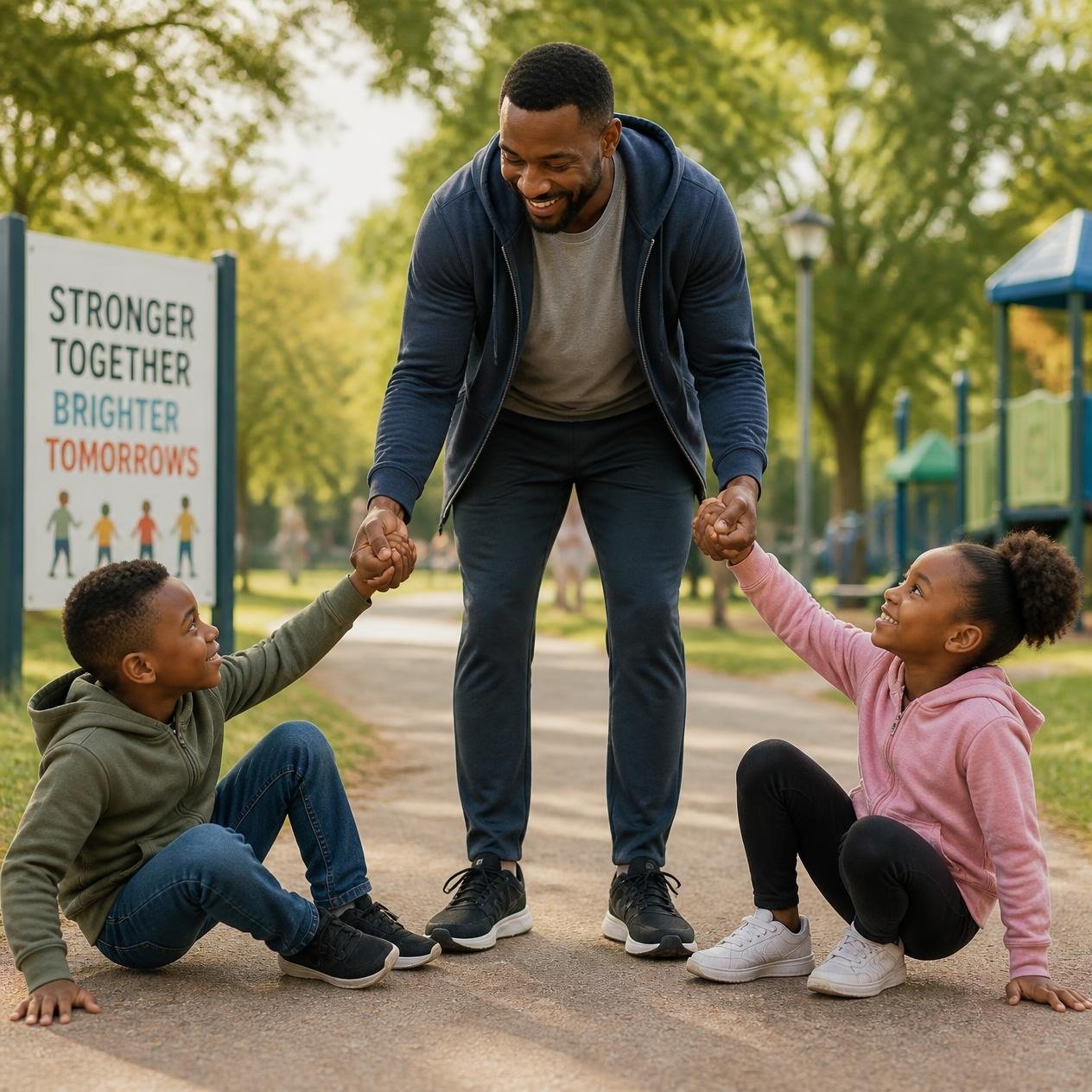
There was a child sitting quietly in the corner of a classroom. Around him, students talked, laughed, and moved through their school day. When the teacher asked him a question, he looked down. When another student tried to speak with him, he pulled away.
It would have been easy to call him shy, rude, or uninterested.
But what if he simply didn’t know how to reconnect?
For many children today, that silence tells a much deeper story. They are growing up in the aftermath of COVID-19, during a time when education, social development, and technology have changed dramatically. These children need something from us now more than ever: patience, guidance, encouragement, and understanding.
A Generation Interrupted
COVID-19 disrupted much more than education. Children lost classrooms, friendships, activities, routines, and countless opportunities to learn how to interact with the world around them.
Some returned to school struggling academically. Some fell behind in reading and writing. Others struggled socially, finding it difficult to communicate, make friends, participate in groups, or feel comfortable around others.
For children, those missing experiences mattered.
Instead of asking, “What’s wrong with this generation?” perhaps we should ask, “What happened to them, and how can we help?”
Beyond the Classroom
When a child struggles to read, the consequences can extend far beyond school. Reading affects how we fill out applications, understand instructions, navigate technology, communicate at work, and make everyday decisions.
Social skills matter just as much.
Children need opportunities to learn how to have conversations, solve disagreements, work with others, ask for help, and function confidently in society. These are skills that cannot always be learned through a screen.
And now, as artificial intelligence becomes part of everyday life, we have another responsibility: teaching children how to use technology without allowing technology to replace their ability to think.
AI can provide answers, but children still need to learn how to ask questions, think critically, communicate, create, and solve problems for themselves.
Look Beyond the Behavior
A quiet child isn’t necessarily rude.
A teenager who avoids conversation isn’t necessarily antisocial.
A student who is falling behind isn’t necessarily lazy.
Sometimes behavior is communication.
A child may be embarrassed because they don’t understand. They may be afraid of saying the wrong thing. They may simply have never had enough opportunities to develop the social skills we expect them to have.
This doesn’t mean we remove expectations or accountability. Children still need boundaries and guidance.
But accountability and compassion can exist together.
We can correct a behavior while still asking, “What is causing this child to struggle?”
It Takes All of Us
Parents and teachers cannot carry this responsibility alone.
Mentors, coaches, grandparents, business owners, community leaders, and everyday adults can all make a difference.
A teacher who stays a few extra minutes to help a child read matters.
A coach who tells a struggling teenager, “I believe in you,” matters.
A business owner who gives a young person their first opportunity matters.
An adult who takes the time to listen matters.
We don’t have to be a child’s parent to be a positive influence in their life.
There Is Still Hope
Our children are not lost.
They are growing up in a world that changed dramatically during some of their most important developmental years. They have challenges, but they also have creativity, resilience, and opportunities that previous generations never had.
We can help them catch up.
We can teach them to read, communicate, work, think critically, and use technology responsibly. We can give them opportunities to fail, learn, try again, and discover their strengths.
Most importantly, we can remind them that their struggles today do not have to determine their future.
The children of today will become the adults who shape tomorrow. What we invest in them now will become the world we live in later.
A Message for All of Us
The next time you see a child who isn’t speaking, don’t immediately assume they’re rude.
Open the door for conversation.
The next time a teenager struggles socially, offer patience instead of judgment. When a student falls behind, ask how you can help before assuming they don’t care.
Sometimes the child who seems the hardest to reach is the one who needs someone to reach for them the most.
We don’t have to lower our expectations. We simply have to raise our understanding.
Let’s be the adults who help these children find their voices, discover their potential, and believe in the future waiting for them.